


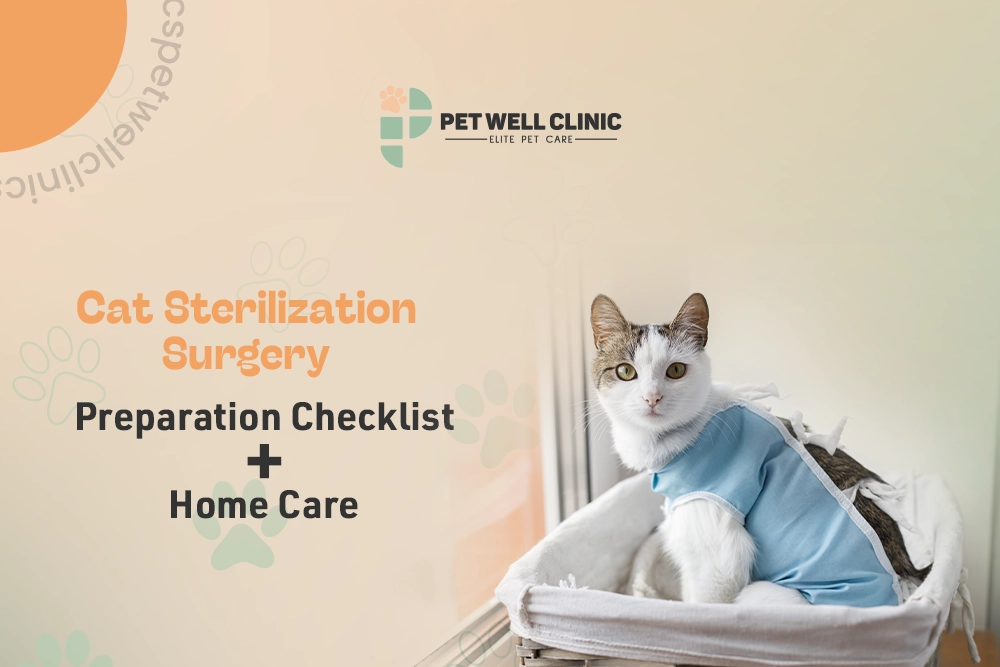
Cat sterilization surgery is a planned veterinary procedure that requires more than choosing a surgery date. Proper preparation before the operation and structured care at home afterward play a major role in how smoothly a cat recovers. When owners understand what to prepare, what to monitor, and why the procedure matters, outcomes are safer and recovery is more predictable.
Cat Sterilization Surgery Preparation Checklist for Owners
Preparing your cat properly before cat sterilization surgery helps reduce anesthesia-related risks and supports a smoother procedure.
Key preparation steps usually include:
• Scheduling a full veterinary examination before surgery
• Following fasting instructions exactly as advised
• Informing the veterinarian about any existing medical conditions
• Preparing a calm, quiet space at home for recovery
Good preparation allows the medical team to proceed safely and efficiently.
What Happens on the Day of Cat Sterilization Surgery
On the day of sterilization surgery, the focus is on monitoring, safety, and controlled anesthesia.
The process usually involves:
• Admission and pre-operative assessment
• Surgical sterilization under general anesthesia
• Post-operative monitoring before discharge
The exact steps may vary depending on whether the cat is female or undergoing cat castration, which is why individualized planning is important.
Home Care After Cat Sterilization Surgery
Recovery at home is a critical part of the healing process after cat sterilization surgery.
Owners are usually advised to:
• Limit jumping and excessive movement
• Monitor appetite and litter box habits
• Prevent licking or interference with the incision
• Follow post-op care for cats as explained by the veterinary team
Most cats recover well when home care instructions are followed consistently.
Incision Care and Monitoring During Healing
Proper incision care helps prevent infection and delayed healing after cat sterilization surgery.
Owners should:
• Check the incision daily for swelling or discharge
• Keep the area clean and dry
• Avoid bathing until healing is complete
• Contact the clinic if any changes are noticed
Early attention to incision changes helps avoid complications.
Health and Behavioral Risks of Not Proceeding withCat Sterilization Surgery
In addition to recovery planning, it is important for owners to understand the risks associated with avoiding or delaying cat sterilization surgery.(watch the video)
Potential risks may include:
• Repeated heat cycles that increase stress and discomfort
• Persistent vocalization and restlessness
• Strong roaming instincts and escape attempts
• Higher likelihood of reproductive system-related conditions over time
Allowing mating does not eliminate these risks, as hormonal cycles continue regardless of reproduction.
Why Choose Pet Well Clinic for Cat Sterilization Surgery
At Pet Well Clinic, cat sterilization surgery is supported by clear preparation guidance and structured discharge planning. A key advantage is the clinic’s focus on educating owners about both recovery and long-term health considerations, ensuring continuity of care beyond the surgery itself.
What makes the approach different:
• Clear pre-surgery preparation guidance
• Detailed home-care instructions before discharge
• Medical support available if post-operative concerns arise
• Emphasis on preventing avoidable recovery issues
This approach helps owners manage recovery with confidence.
Conclusion
Cat sterilization surgery is most successful when proper preparation, careful incision monitoring, and informed home care are combined with an understanding of the risks of delaying the procedure. Planning ahead supports safer healing and long-term wellbeing.
Prepare your cat with confidence. Book a consultation at Pet Well Clinic to discuss cat sterilization surgery and receive professional guidance tailored to your cat’s health and recovery needs.
📍 Address:
Al Dana Tower – Street 31 – Al Sa’adah – Zone 1 – Abu Dhabi – United Arab Emirates
📞 Call Us 24/7:
🕞 Working Hours:
Saturday – Sunday – Monday – Thursday – Friday: 08:00 AM – 11:00 PM
Tuesday – Wednesday: 11:00 AM – 09:00 PM
FAQ’S
Is activity restriction necessary after surgery?
Yes. Limiting jumping and running protects the incision during healing.
Can indoor cats avoid sterilization safely?
Even indoor cats may experience hormonal stress and behavioral challenges without sterilization.
Is sterilization surgery different for males and females?
Yes. Females undergo abdominal surgery, while males undergo a simpler castration procedure.
When should owners contact the clinic after surgery?
If swelling, discharge, loss of appetite, or behavioral changes occur, veterinary advice should be sought promptly.