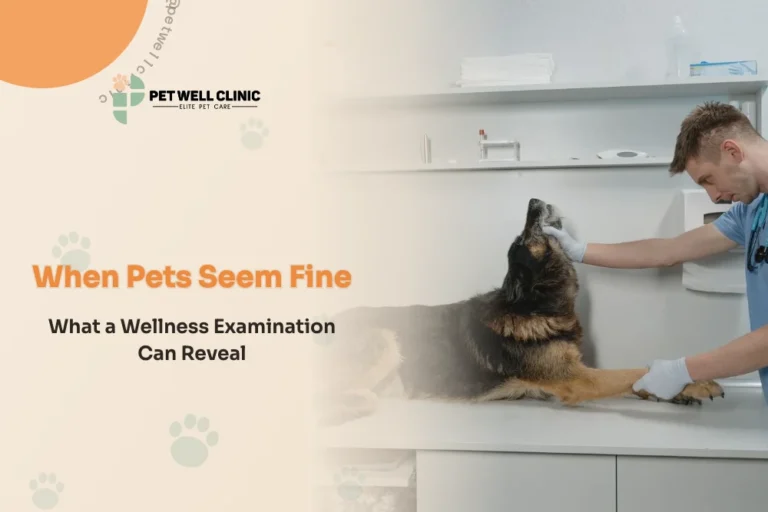

Vets often say that a good history gets you most of the way to a diagnosis. Your pet cannot tell us how they feel, but you can tell us what has changed.
Why history matters so much
An examination shows how your pet is in the room. Your history tells us how they have been for days, weeks or months. Patterns such as when vomiting happens, whether thirst has crept up or whether a limp is worse after rest point us towards some causes and away from others, which means fewer unnecessary tests.
What to note before your visit
- Timeline: when did you first notice the problem, and is it getting better, worse or staying the same?
- Eating and drinking: any change in appetite or how often the water bowl needs filling
- Toileting: frequency, consistency, colour, straining or accidents
- Energy and behaviour: sleeping more, hiding, restlessness or irritability
- Anything new: food, treats, medication, travel, boarding, other animals or household changes
What to bring
- Previous records, including vaccinations and test results
- Names and doses of all medication and supplements
- Photos or videos of the problem, such as a cough, seizure or limp
- For vomiting or diarrhoea, a photo can be surprisingly helpful
Small details, big difference
“He has been drinking a bit more lately” can be the first sign of kidney disease or diabetes. “She has started sleeping in a different spot” can point to joint pain. No detail is too small to mention.
Our visit guide has a checklist you can use before any appointment.