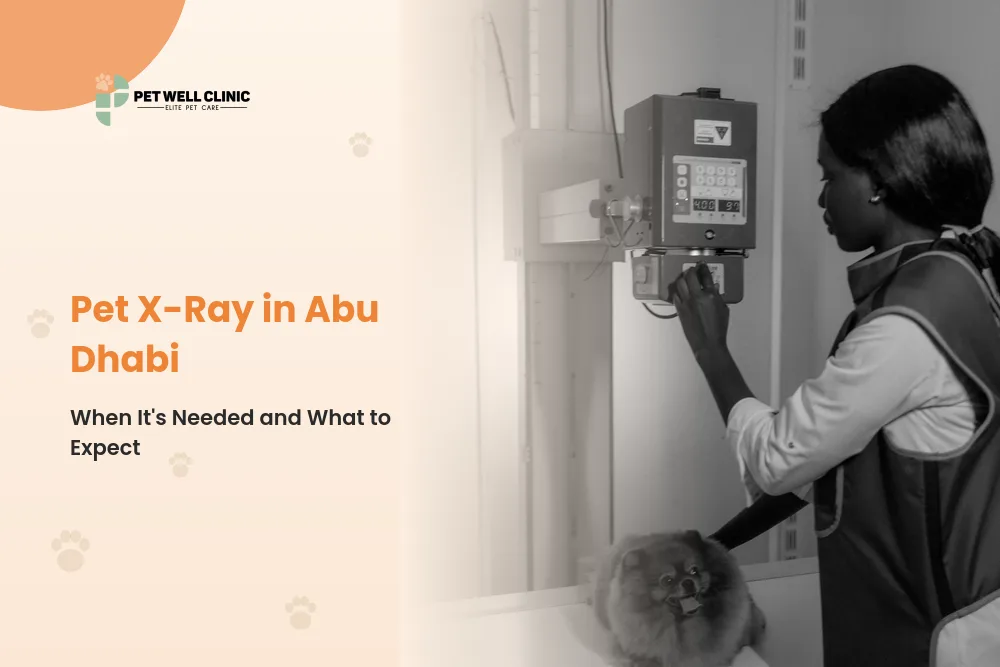
X-rays (radiographs) are one of the most useful tools a vet has. They let us see bones, the chest and the abdomen in minutes, and often give the answer that an examination alone cannot. If your vet has suggested an X-ray for your dog or cat, here is what it can show, how to prepare and what happens on the day.
When is an X-ray needed?
- Limping or injury: fractures, dislocations, joint disease and arthritis. See X-ray for a limping dog
- Coughing or breathing problems: heart size, fluid, pneumonia or masses in the chest
- Vomiting: to look for swallowed objects or blockages
- Bladder problems: bladder stones, which are a common cause of blood in urine
- Dental disease: dental X-rays show tooth roots and the jaw below the gum line
- Pregnancy: counting puppies or kittens late in pregnancy
- Before surgery or for older pets: screening the chest for hidden disease
Does my pet need sedation?
To get clear images, your pet must lie still in specific positions. Many calm pets can be X-rayed awake. Pets in pain, anxious pets or those needing several views often do better with light sedation, which is kinder and gives better images. We will explain why if we recommend it.
How to prepare
- If sedation is likely, no food from the night before; water is usually fine. We will confirm when you book.
- Bring a list of current medicines and any previous X-rays.
- Keep cats in a secure carrier and dogs on a lead.
What happens on the day
- The vet examines your pet and explains which views are needed.
- Your pet is positioned on the X-ray table, with sedation if needed.
- Images are taken in seconds and appear on screen.
- The vet reviews the images with you and explains the next steps.
Most pets go home the same day. Sedated pets may be sleepy for a few hours.
Is it safe?
Digital X-rays use a very small dose of radiation for a very short time, and the benefit of a clear diagnosis far outweighs the risk. Owners usually wait outside the room during the exposure.
X-ray or ultrasound?
X-rays are best for bones, the overall shape and size of organs, and finding objects or stones. Ultrasound is better for looking inside soft organs such as the liver, kidneys, intestines and bladder wall. Sometimes both are needed. Read about abdominal ultrasound for pets.
Imaging at Pet Well Clinic
Our imaging and X-ray service means images are read by the team treating your pet, so decisions can be made in the same visit. When a second opinion helps, we share images with specialist radiologists. We are in Al Dana Tower, Al Sa’adah, Abu Dhabi.
Has your vet recommended an X-ray? Book an imaging appointment, call +971 50 104 8443, or message us on WhatsApp.