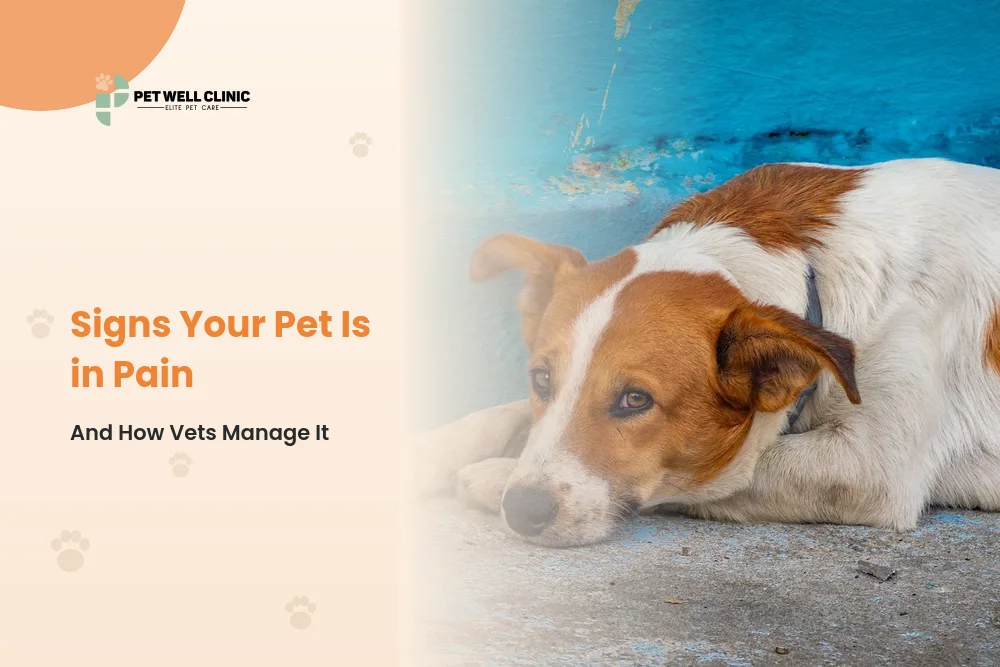
Dogs and cats are experts at hiding pain. It is a survival instinct: in the wild, showing weakness makes an animal a target. That means by the time a pet is crying or limping badly, the pain may have been there for a while. Learning the quieter signs helps you get your pet help sooner.
Signs of pain in dogs
- Limping, stiffness, or slowness getting up after rest
- Reluctance to jump into the car, climb stairs or go for walks
- Panting or restlessness when resting, or difficulty settling at night
- Licking or chewing one area repeatedly
- A hunched back or tucked-up belly
- Growling or snapping when touched in a certain place
- Hiding, withdrawal, or being less interested in play and food
- Shaking or trembling
Signs of pain in cats
Cats show pain even more subtly:
- Hiding more, or sitting hunched and still
- Squinting eyes and a tense face, with ears turned outwards
- No longer jumping onto furniture, or jumping in stages
- Grooming less, so the coat looks scruffy, or over-grooming one area
- Urinating or passing faeces outside the litter tray
- Eating less or dropping food
- Irritability when picked up or stroked
See also how to tell if your cat is sick.
Common causes of pain
- Arthritis, very common in older dogs and cats
- Dental disease. See bad breath and dental health
- Injuries such as sprains, wounds and fractures
- Ear infections and skin problems
- Abdominal pain from pancreatitis, bladder problems or swallowed objects
- Back and neck problems, especially in some breeds such as dachshunds
- After surgery, which is why pain relief is part of every procedure
Never give human painkillers
This is one of the most important rules for pet owners. Common human medicines such as paracetamol, ibuprofen, aspirin and naproxen can cause kidney failure, stomach ulcers, liver damage and death in pets. Paracetamol is especially toxic to cats, even in small amounts. Only use medication prescribed for your pet.
How vets find the cause
We start with a full examination and a careful history, then use tests to find the source: X-rays for bones and joints, blood tests to check organs and make sure medication is safe, and ultrasound for the abdomen when needed.
How pain is managed
- Pet-safe anti-inflammatories and pain relief, chosen for your pet’s species, age and organ health
- Treating the cause, for example dental treatment, wound care or surgery
- Weight management, which takes pressure off sore joints
- Physiotherapy and controlled exercise. See pet physiotherapy in Abu Dhabi
- Home changes such as ramps, non-slip mats, soft beds and low-sided litter trays
- Regular reviews to adjust the plan as your pet’s needs change
Read more in pain management for pets.
When to see a vet
Book a visit if you notice any of the signs above for more than a day or two. Come the same day if your pet cannot put weight on a leg, cries when touched, has a swollen belly, or seems weak or collapsed. We are open until 11 PM most days; see evening vet appointments.
Think your pet might be in pain? Book a consultation, call +971 50 104 8443, or message us on WhatsApp.